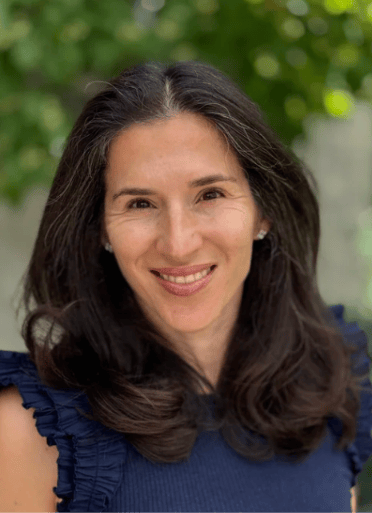
Dr. Jennifer Gaudiani is an expert eating disorder physician and the Founder and Medical Director of the Gaudiani Clinic. Dr. Gaudiani is one of the only outpatient internists in the United States who carries the credential Certified Eating Disorder Specialist Consultant (CEDS-C) and Fellow in the Academy for Eating Disorders (FAED). The Gaudiani Clinic The Gaudiani Clinic offers unique, expert outpatient eating disorder treatment specifically dedicated to treating adolescents and adults with eating disorders or disordered eating of all shapes and sizes.
This interview is centered on the symptoms of eating disorders and physicians in eating disorders.

Q:
Throughout your experience treating patients with eating disorders, what are some of the most overlooked medical complications, particularly among adolescents?
A:
Eating disorders encompass really different diagnoses and occur in absolutely every age/gender/body size/shape of person, so it’s hard to generalize. But since most eating disorders involve some form of undernutrition, I can say that the commonest symptoms of undernutrition come from our wonderful bodies’ attempts to keep us stable and safe despite inadequate nourishment. Our metabolism slows when we undereat, and that can cause a general feeling of being chilly plus cold hands/feet, slowed digestion (feeling super full after a small meal, or nauseated and full after eating, plus bloating and constipation), fatigue, low energy, insomnia, hair loss, reduction in sex hormone production which can lead to irregular or absent periods or low testosterone levels (which can cause low bone density!), and changes in personality/temperament like anxiety, some paranoia, or worsening of underlying depression or OCD. All of these are reversible with consistent, adequate nourishment. Interstingly, a condition called Relative Energy Deficiency of Sport (REDs) was designated by the International Olympic Committee to describe when athletes accidentally don’t fuel enough. All the same medical complications occur in this situation, as the body doesn’t know why it’s not getting enough fuel, it just knows it needs to save you! Plus, those with REDs can expect worsened athletic performance (sometimes after a brief improvement), slower recovery from workouts and injuries, higher risk of soft tissue and stress fracture injuries, and reduced ability to participate. So many young athletes either from coach or parent or personal pressure try to get that edge by eating differently, but actually getting in plenty of carbohydrates in addition to proteins and fats, and getting in enough calories throughout the day (alongside good hydration, rest, smart training, and good attention to mental health) are best for optimal athletic performance. I take care of a number of elite athletes, so I’m not just speaking theoretically!
Q:
On your clinic’s website, you discuss the shortage of physicians who specialize in eating disorders. Why do you believe this gap in medical care exists, and what changes would you like to see in how physicians are educated about eating disorders?
A:
I think that medical school doesn’t teach much about eating disorders, and doctors feel uncomfortable with issues they didn’t learn about, so they might have a tendency to minimize the concerns of people with eating disorders or to automatically think they can’t help because they don’t have expertise. I think the medical training system also tends to reinforce size stigma, so doctors can unwittingly bring this to patient encounters where they might automatically praise someone for losing weight (even if it actually occurred due to an eating disorder) or over-focus on high body weight, which can be really harmful for people with eating disorders. I understand doctors can’t possibly know about all diagnoses, so I guess what I’d most wish is for providers to show up with curiosity and compassion, so that if someone comes in and says, “I think I have an eating disorder and want your help,” the doctor would say, “I’m not an expert, but I care about you, and I’ll read up on this and work with you while we also refer you to a dietitian and therapist who have eating disorder expertise.” I wrote a book called, “Sick Enough: A Guide to the Medical Complications of Eating Disorders and Underweight” (Routledge, 2026), and oftentimes, a patient or their family will bring it to the doctor’s office and say, “Could we look at this one section together? I think this is relevant, and maybe we can use it as a guide.”
Q:
What are some early physical warning signs of an eating disorder that teenagers, parents, and healthcare professionals should be aware of, even when someone appears outwardly healthy?
A:
The vast majority of people with eating disorders never become underweight, which might surprise some people based on stereotypes. So you’re right, most of the time, people with eating disorders don’t “look sick.” And they may have normal blood tests and vitals. That can make the “eating disorder voice” say, “I guess I’m fine. I’m not sick enough to deserve anyone’s concern. Maybe I should go harder.” But so much about eating disorders are about how they are able to show up in their lives and live their goals and values. Someone with a “normal” or high body weight could be restricting calories, or overexercising, or purging, and what the person will notice is that more and more of their mental energy is being spent on thinking about food and body image, unable to be present in life/friendships/school/family/extracurriculars. They may become more withdrawn, push people away, or get more perfectionistic (or for some, wilder and more risk-taking) and hard on themselves. Friends might notice other behaviors like self-harm, reduction in sense of humor or being present or spontaneous, and more depression, irritability, and anxiety. Usually when people think about what their values and goals are, they realize the eating disorder takes them away from those, and that can be a really helpful focus to help them move back toward recovery. It’s important to show up with compassion and kindness about eating disorders; they are very rarely “just” about body image. Often the eating disorder shows up initially trying to solve a major problem that seems impossible to solve any other way; eating disorders never stay helpful, but if we can think about them as trying to help, it can shed light on the importance of trying to solve that problem another way and showing self-compassion.
Q:
How does prolonged malnutrition affect the body, and to what extent can these medical complications improve or resolve with appropriate treatment and recovery?
A:
Everyone’s genetics will have a different way that prolonged malnutrition affects the body and mind. One person’s weight might rise or stay the same, while another person might lose weight. Exactly what medical complications show up are probably dictated by genetics. But the longer someone undernourishes, the more their brain is at risk of getting pulled into what can become like an addiction to this numbing or controlling behavior, and the harder it is to find recovery. Fortunately, almost all medical complications of eating disorders will fully resolve with recovery work. People of any age and duration of eating disorders can fully recover, but it can take a long time and a lot of patience and determination. Also, a recovered person should be particularly aware of times of high stress or intensity or exposures to unique triggers; protecting that precious recovery is so vital!
Q:
For adolescents who may be struggling with an eating disorder but are hesitant to seek medical care, what would you want them to understand about the importance of early intervention in recovery?
A:
It can feel really lonely and scary to ask for help when you have an eating disorder, especially since the eating disorder voice can be super defensive and try to find ways to resist changing mindset and behaviors. Finding a trusted adult is a great first step. It’s fine to share with friends, but that should be in service of getting that initial support and encouragement to tell an adult so that specialized support can be found. Friends shouldn’t feel like they are responsible for policing their friend’s eating disorder, because the best choice is to help the person to see a dietitian or a therapist with knowledge about eating disorders. Family and coaches/teachers might not know about eating disorders, so ideally they would learn more in order to provide good early support. One of the best ways to know how to support someone is to ask: “How can I best support you right now?” The earlier recovery work starts, the better, because that beautiful brain and body should be supported back toward health as soon as possible!
Read more about Dr. Gaudiani and her clinic here!