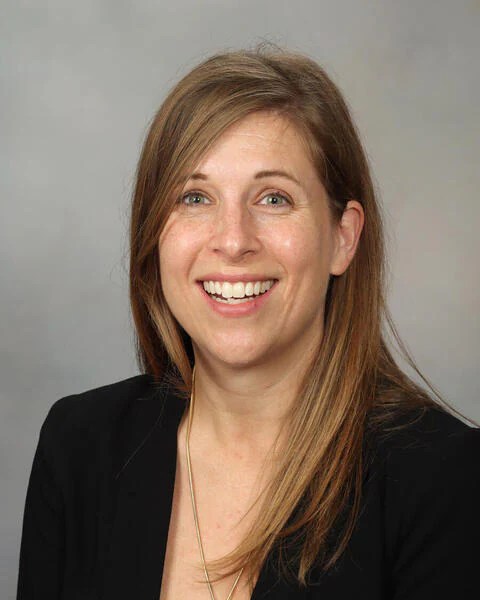
Dr. Jocelyn Lebow Ph.D., L.P., is a Mayo Clinic associate professor of psychology and a clinical psychologist specializing in child and adolescent mental health, particularly eating disorders, with a focus on improving early detection and access to evidence-based care. Her professional information is linked at the bottom
This interview is focused on research and treatments for teenagers with eating disorders.

Q:
Why is catching and treating an eating disorder early so important, especially for teenagers who are still physically and mentally developing?
A:
Early intervention is SO IMPORTANT for eating disorders because the longer they’re left untreated, the lower the chances of treatment being effective. That’s not to say you’re out of luck if you’ve had an eating for a while- recovery is always possible- but getting good, evidence-based care right away is best. The longer you’re sick the more time eating disorder symptoms have to get really entrenched and do damage to your medical and psychological health. For teenagers this is extra important because, in addition to it just being terrible to be sick for longer, eating disorders also get in the way of really important developmental tasks. Teenagers are supposed to be doing a ton of things to grow and become adults. Eating disorders interfere with everything- they literally stunt growth and development, and also keep teens away from important opportunities to grow socially, academically, and as independent people. In other words, the longer you’re sick, the more you’re missing in your life, and the more work it is to catch up.
Q:
What has research taught us about eating disorders in teenagers that professionals didn’t understand as well in the past?
A:
Our understanding about eating disorders has grown so much, even in the time I’ve been practicing- and it continues to evolve and grow every day. In the beginning, eating disorders were thought to only impact a really small group of people. The stereotypical eating disorder patient was a young, white, cisgender, REALLY skinny female. We now know eating disorders are much more equal opportunity- they impact people from all backgrounds and all body types.
Q:
How does treating an eating disorder in a teenager differ from treating an adult with the same disorder?
A:
One of the ways treating eating disorders in teenagers is different is the fact that we have more outpatient options when someone is young. Family-Based Treatment is the first-line treatment for anorexia nervosa, and one of the leading treatments for bulimia nervosa. This treatment is only for kids and teens (and has growing evidence for young adults). This treatment uses parents or other trusted adults to help with meals and keep kids in their lives while they’re getting treatment. It has really good outcomes, and it’s always preferable to keep people in their life if they can! For adults, especially adults with anorexia nervosa, there aren’t many outpatient treatments- the main choice is day treatment or inpatient, which is much more difficult.
Q:
Are there certain factors that make some teenagers more likely to develop an eating disorder than others?
A:
Risk factors are tricky- eating disorders can impact anyone and everyone. Certain things (a history of weight bullying, certain psychological features) may increase your risk slightly, but nothing is a direct link. One of the main things that contributes to eating disorder risk is dieting behavior, so this is something we take really seriously when we see it in my office- dieting isn’t good for anyone, especially kids, and increases your risk of all the different types of eating disorders.
Q:
Based on your research, what do you think needs to change to make it easier for adolescents with eating disorders to get the right help sooner?
A:
I think we need to get creative about where and who we have doing good, evidence-based treatment. Right now there are nowhere near enough providers of eating disorder treatment, which means people have to travel far, wait a long time, and/or pay a LOT for eating disorder care. This isn’t ok, especially given how important early access to treatment is. I think we as researchers need to keep thinking outside the box of how to get good, science-backed treatments to more people.
More on Dr. Jocelyn Lebow below including her publications